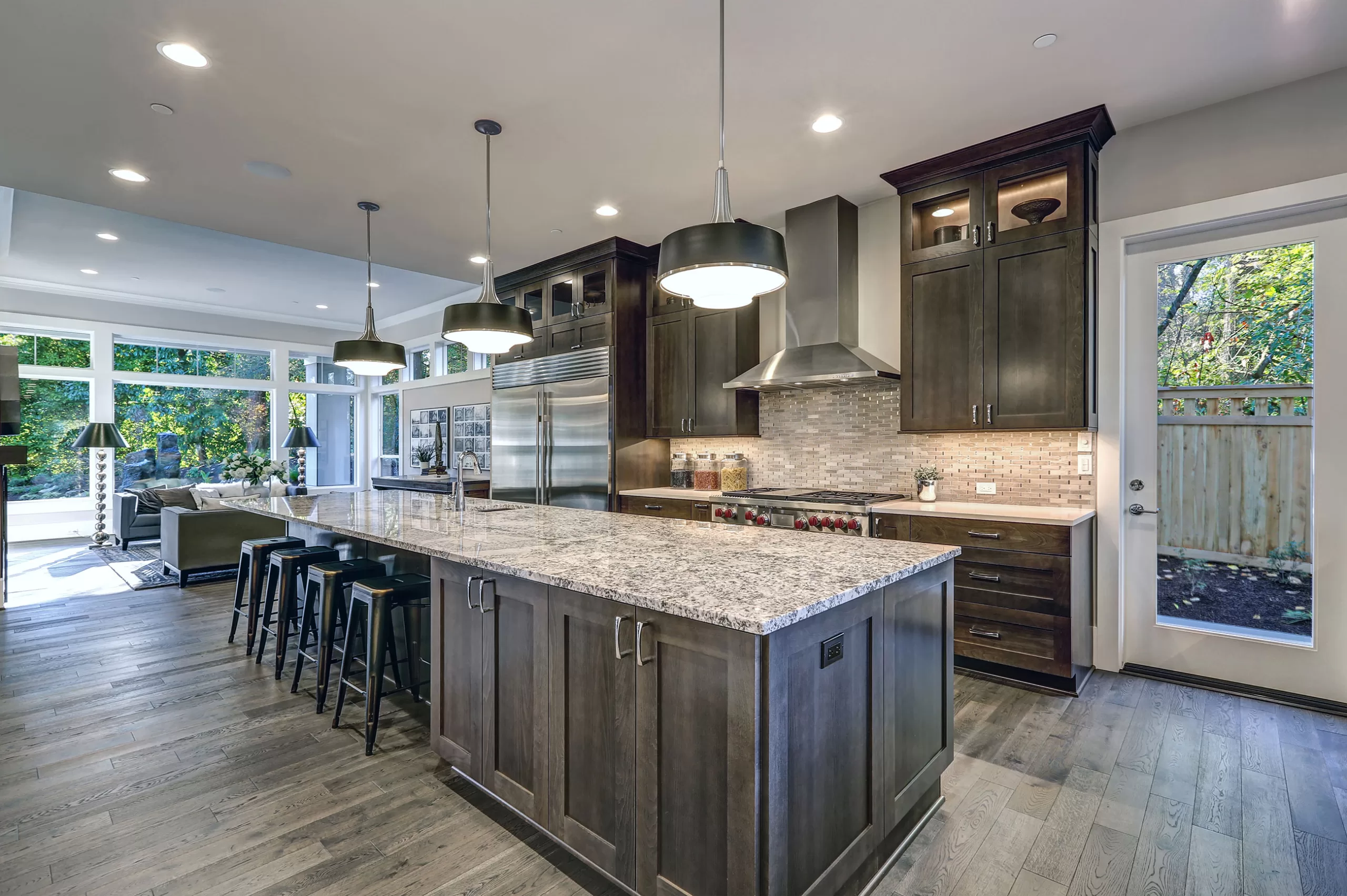
Your kitchen is supposed to make life easier – but when the layout stops working, it does the opposite. Suddenly you are bumping into people, running out of counter space, and spending more time hunting for things than actually cooking. If your kitchen feels more like an obstacle course than a functional space, you are not alone. The good news is that fixing a broken kitchen layout does not always require a full renovation. Sometimes a few smart changes can make a world of difference. Here are seven steps to help you get your kitchen working the way it should.
1. Take Stock of and Declutter Your Space
Before you move a single cabinet or knock down a wall, start by clearing everything out. Pull out every drawer and empty every cabinet. Be honest about what you actually use and what has been sitting untouched for two years. This process does more than just tidy things up – it shows you exactly what needs to be stored and where, and it reveals dead zones in your kitchen that might be causing daily frustration. You cannot plan a better layout until you know what you are working with.
2. Map Your Kitchen Into Work Zones
Forget the old idea of the “work triangle.” A more practical approach is to divide your kitchen into five clear zones – consumables like food and snacks, non-consumables like dishes and cookware, cleaning, preparation, and cooking. Once you identify these zones, group your tools, appliances, and ingredients near where you actually use them. This simple shift eliminates the unnecessary back-and-forth across the room that makes cooking feel like a workout.
3. Optimize Traffic Flow
Think about how people move through your kitchen when a meal is being made. Is the refrigerator in the way? Are people cutting through your prep area to grab a drink? For a kitchen to function well, there should be at least three to four feet of walkway clearance around your main work areas. Try to position seating and high-traffic spots like the fridge out of the direct path between your sink and stove. When traffic flows naturally, cooking becomes a lot less stressful.
4. Upgrade Your Cabinetry Function
Deep base cabinets look great but are notorious for swallowing things whole. If a full renovation is not in the budget right now, you can still make a big improvement by retrofitting your lower cabinets with pull-out drawers, wire racks, or lazy Susans. These simple additions make everything more accessible and eliminate the need to dig around in the back of a dark cabinet. If you are planning a larger renovation, consider replacing lower cabinets with deep, full-extension drawer banks – they are one of the most practical upgrades you can make.
5. Evaluate Your Lighting
Poor lighting can make even the best kitchen layout feel cramped and frustrating. If you are squinting to read a recipe or struggling to see what you are chopping, the lighting is working against you. The solution is to layer your lighting – combine ambient overhead fixtures with task lighting like LED strips under your upper cabinets. This approach lights up your actual work surfaces instead of just the middle of the room, and it makes the whole kitchen feel brighter and more open without any structural changes.
6. Create Multiple Scaled Layouts
Before you start buying materials or tearing out walls, take the time to measure your space carefully and sketch out your current floor plan. Then draw two or three alternative layouts to compare. Free online tools like the IKEA Kitchen Planner or Floorplaner make it easy to visualize how moving a stove, adding an island, or shifting a doorway might improve the room’s flow. Seeing your options on paper – or on a screen – helps you make smarter decisions before any money is spent.
7. Budget and Hire the Right Experts
Once you have landed on a layout that works, it is time to get serious about budgeting. Build in a fifteen to twenty percent contingency fund to cover unexpected surprises like plumbing issues or structural problems that only become visible once walls come down. If your new layout requires moving gas lines, plumbing, or major electrical, those jobs need to be handled by licensed professionals. Taking the time to hire the right people upfront saves you from costly mistakes and headaches down the road.
Ready to Fix Your Kitchen Layout for Good? Contact Affordable Home Remodeling.
If your kitchen has stopped working for you, it is time to do something about it. Affordable Home Remodeling is a trusted kitchen and home remodeler serving the Twin Cities, Minnesota. Whether you need a simple reorganization or a full structural redesign, their team has the experience and local knowledge to help you create a kitchen that works beautifully for your family. Reach out today to schedule your consultation and take the first step toward a kitchen you actually love cooking in. Call us at (612) 414-3174.